







Signs are cleaned with lukewarm water, a little soap and a soft cloth. That is enough for acrylic, steel, brass and aluminium. Do not use strong cleaners, ammonia, chlorine, abrasives or steel wool, because they can damage the surface or the colour and that cannot be fixed afterwards.

The short answer is simple: lukewarm water, a little soap and a soft cloth. That is what we recommend for almost all our signs. Here we go through each material, with reference to guidance from manufacturers and experts.
How do you clean a sign?
- Use lukewarm water with a little mild soap, for example washing-up liquid.
- Use a soft cloth, preferably microfibre.
- Wipe lightly, do not rub or scrub.
- Rinse with clean water and dry with a soft cloth.
If the sign is outdoors, it is often enough to rinse it with water now and then.
What to use and what not to use on each material?
| Material | Use | Do not use |
|---|---|---|
| Acrylic | Lukewarm water, mild soap, a soft cloth or sponge | Ammonia in strong solution, strongly alkaline cleaners, strong solvents, abrasives, kitchen paper |
| Steel | Soap or mild washing-up liquid in lukewarm water, rinsed afterwards | Chlorine and chloride, steel wool, coarse scouring powder |
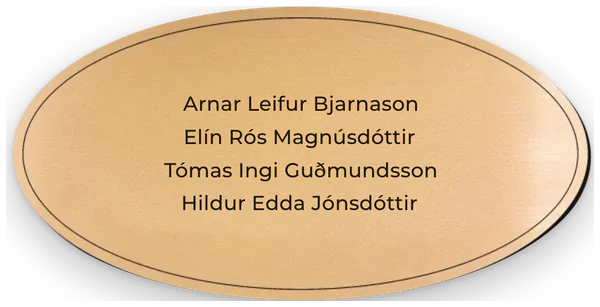
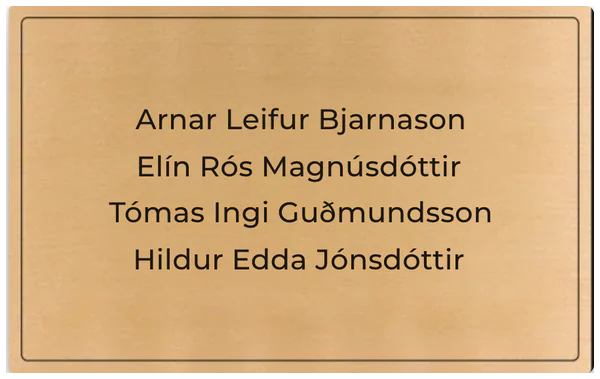
| Brass | A damp, soft cloth and a little soap if needed | Polishes, metal cleaner from the shop, abrasives |
| Aluminium | Water, a little soap and a soft cloth | Anything that scratches |
How do you clean an acrylic sign?
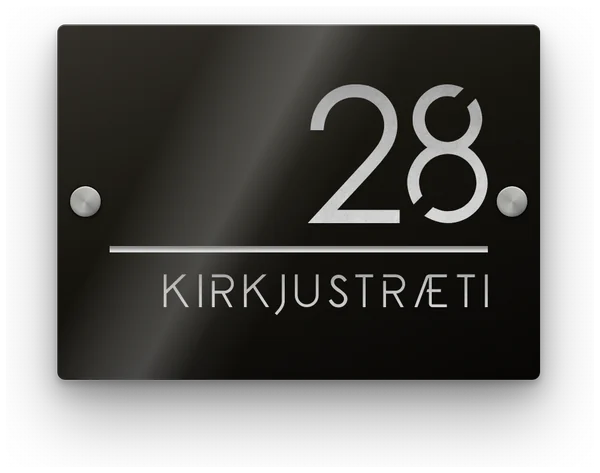
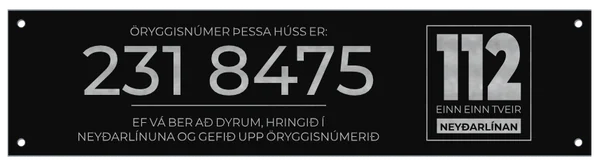
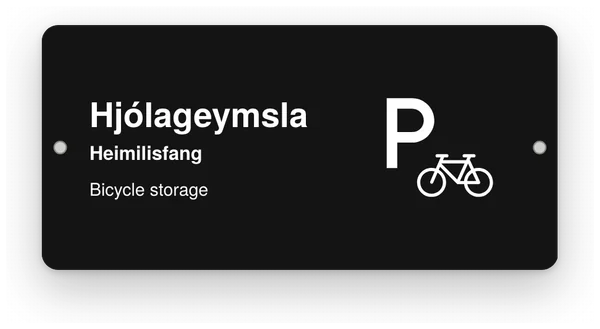
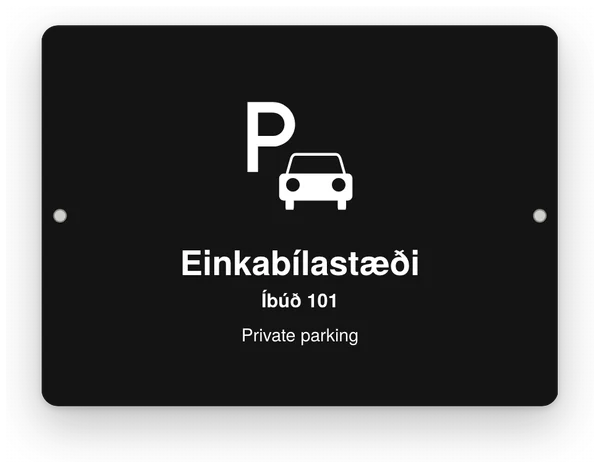
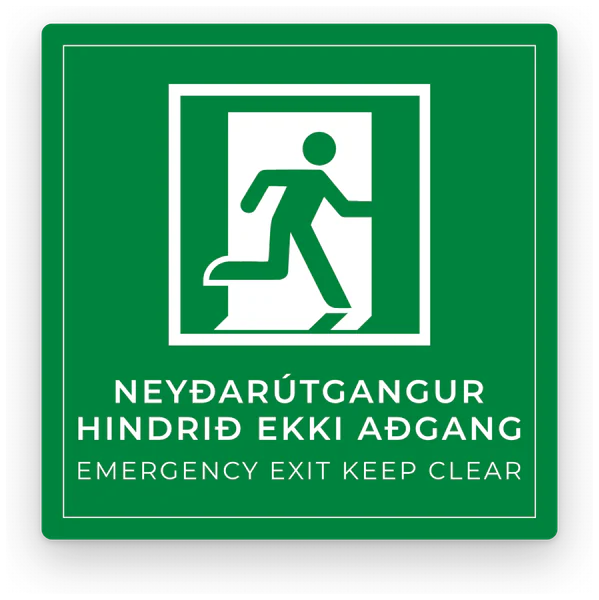
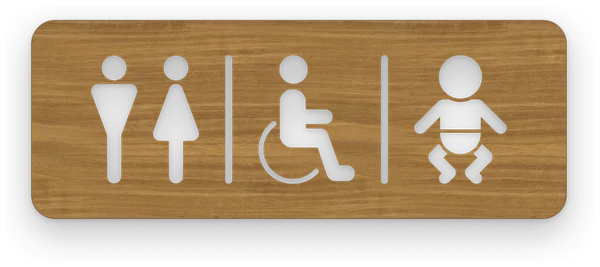
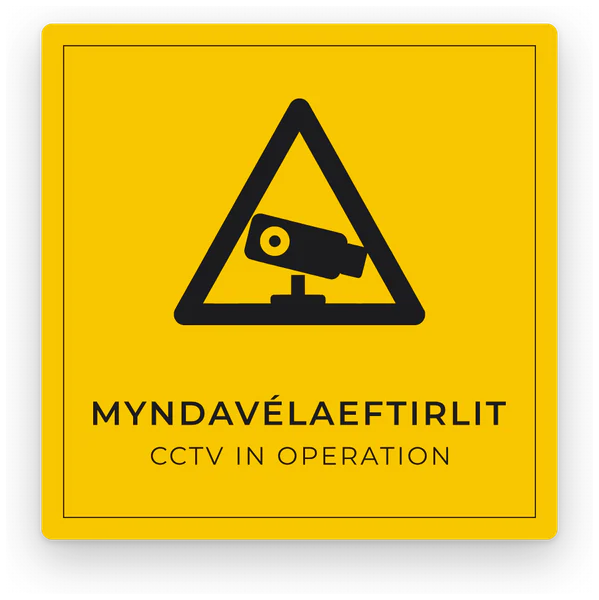
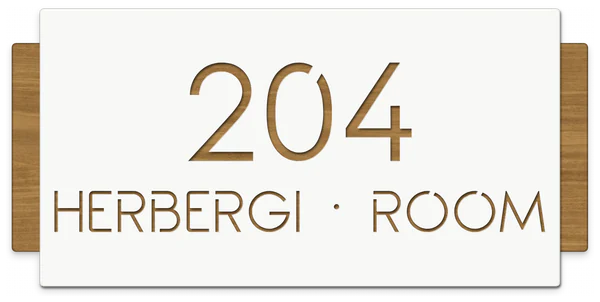
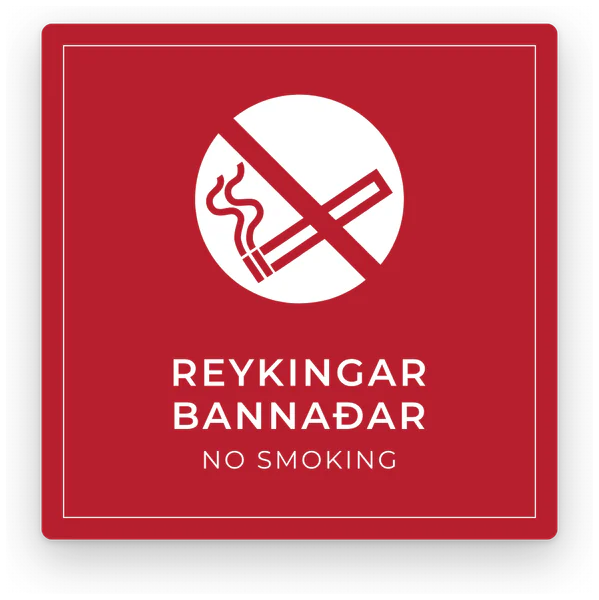
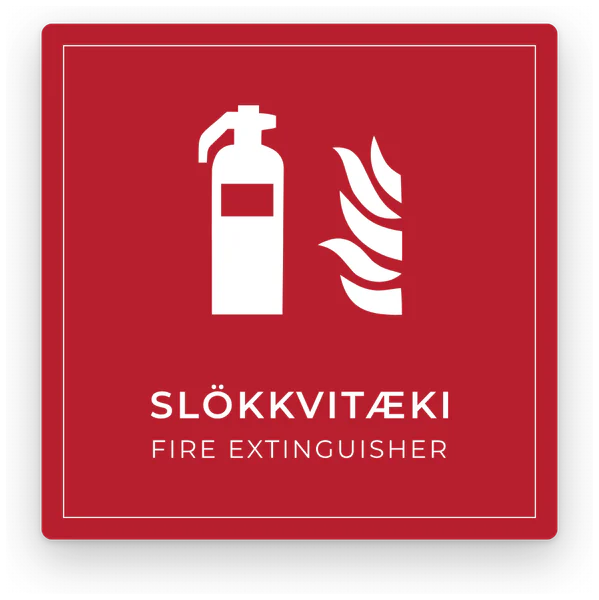
Most of our signs are acrylic: door signs, safety signs, WC signs and house numbers.
The plastics manufacturer Spartech recommends rinsing acrylic with lukewarm water, washing with mild soap and a soft cloth or sponge, and not scrubbing. It also says kitchen paper should not be used, because it can scratch.
According to the same guidance you should never use on acrylic:
- ammonia in strong solution, which is found in some window cleaners
- strongly alkaline cleaners
- strong solvents
- cleaners with abrasives, such as scouring powder and coarse sponges
Two-tone acrylic has a thin colour layer on top of the core. That is why we recommend water and soap and nothing stronger, so the colour layer stays undamaged.
How do you clean a steel sign?
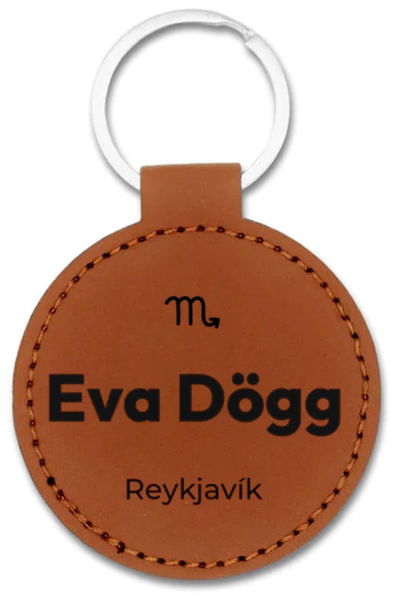
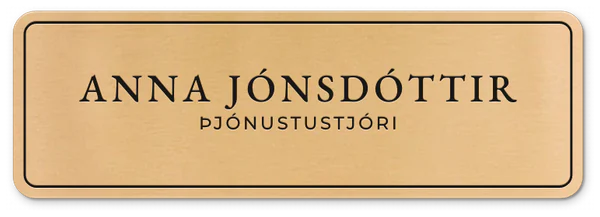
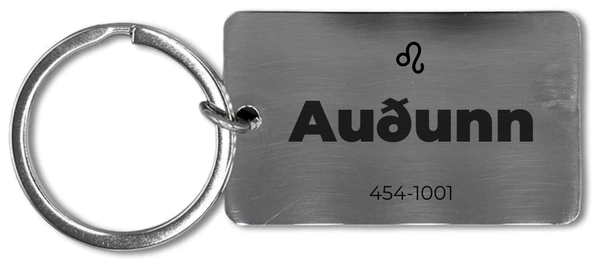
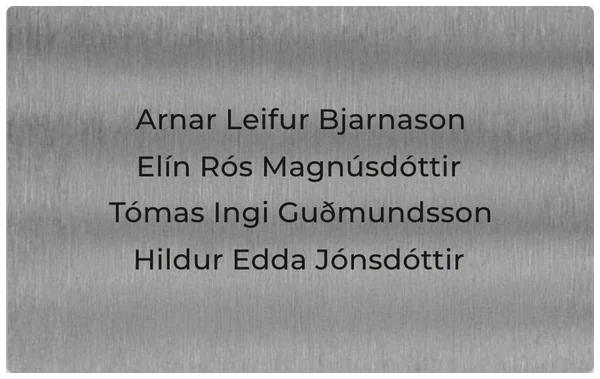
The steel in the door signs is 316 steel, both on signs with engraved lettering and with black letters. It is brushed, and engraved steel can have an acid wash, which gives better durability. Small scratches are normal; steel is a living material.
The British Stainless Steel Association says that soap or mild washing-up liquid in lukewarm water, followed by rinsing with clean water, is usually enough for 316 steel like that in our signs.
According to the same guidance you should not use:
- chlorine and cleaners that contain chloride, for example chlorine bleach and cleaners with hydrochloric acid, because they can cause stains and corrosion
- steel wool or scouring pads made of ordinary steel, because small particles from them can be left behind and rust on the surface
- coarse scouring powder, which can scratch
How do you clean a brass sign?
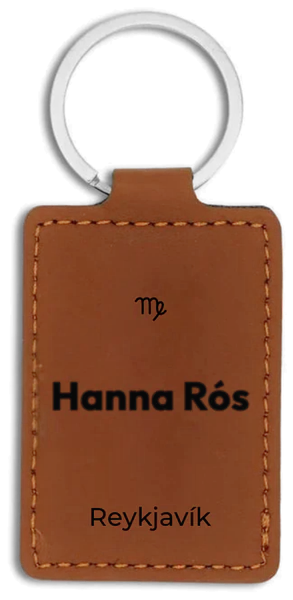
A protective treatment is available as an option for brass. Brass still changes over time, especially outdoors, and darkens. That is the nature of the material and many find it beautiful.
The Ford Conservation Center at History Nebraska, which gives guidance on caring for objects made of brass and bronze, advises avoiding polishes and metal cleaners from the shop, because many contain ammonia or coarse abrasives that can damage the surface permanently.
On a brass sign it is therefore best to use only a damp, soft cloth and a little soap if needed. Do not try to polish it up.
How do you clean an aluminium sign?
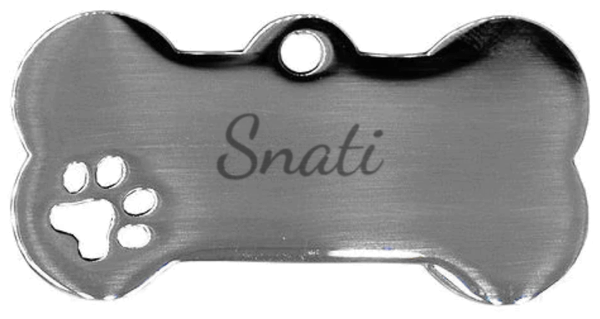
The same general rule applies to aluminium signs: water, a little soap and a soft cloth, and nothing that scratches.
What if something sticks to the sign?
Bird droppings, tree resin or adhesive residue can stick to outdoor signs. Lay a wet cloth on the spot for a while so it softens, then wipe it off. It is better to repeat that than to reach for something stronger.
Frequently asked questions
Can I use window cleaner on an acrylic sign? Not if it contains ammonia. Spartech warns against ammonia in strong solution on acrylic. Water and mild soap are safest.
Can I use chlorine on a steel sign? No. The British Stainless Steel Association warns against chlorine and cleaners that contain chloride, because they can cause stains and corrosion on the steel.
How do I keep brass bright? Brass darkens over time, especially outdoors, and that is normal. Avoid polishes with ammonia or abrasives; they can damage the surface.
Do the signs need regular cleaning? It is enough to wipe them when they get dirty. Outdoor signs benefit from being rinsed with water now and then.
If your sign needs help
If something has got onto the sign that you do not know how to remove, feel free to send us a photo at sm@skiltiogmerkingar.is or through contact us before you try anything strong. You can also read about the materials in the post about materials in door name signs.
Sources
- Spartech, "How to Clean Acrylic Sheets" (technical guidance): https://www.spartech.com/media/tds/How-to-Clean-Acrylic-Sheets.pdf
- British Stainless Steel Association, "Care and Maintenance of Stainless Steel" (SSAS 7.20): https://bssa.org.uk/wp-content/uploads/2020/11/SSAS7.20-Care-and-Maintenance-of-Stainless-Steel.pdf
- History Nebraska, Ford Conservation Center, "Caring for Brass & Bronze": https://history.nebraska.gov/wp-content/uploads/2022/10/doc_Caring-for-Copper-Alloy-2.pdf